RetraBurn Official Website › Choosing a weight support supplement
Choosing a weight support supplementChoosing A Weight Support Supplement
Eleven checks, each of which can be done in a shop or on a screen in about a minute. Six are about the panel, two about the evidence, two about traceability and one about the refund policy. Together they separate a label that tells you things from a label that decorates itself.
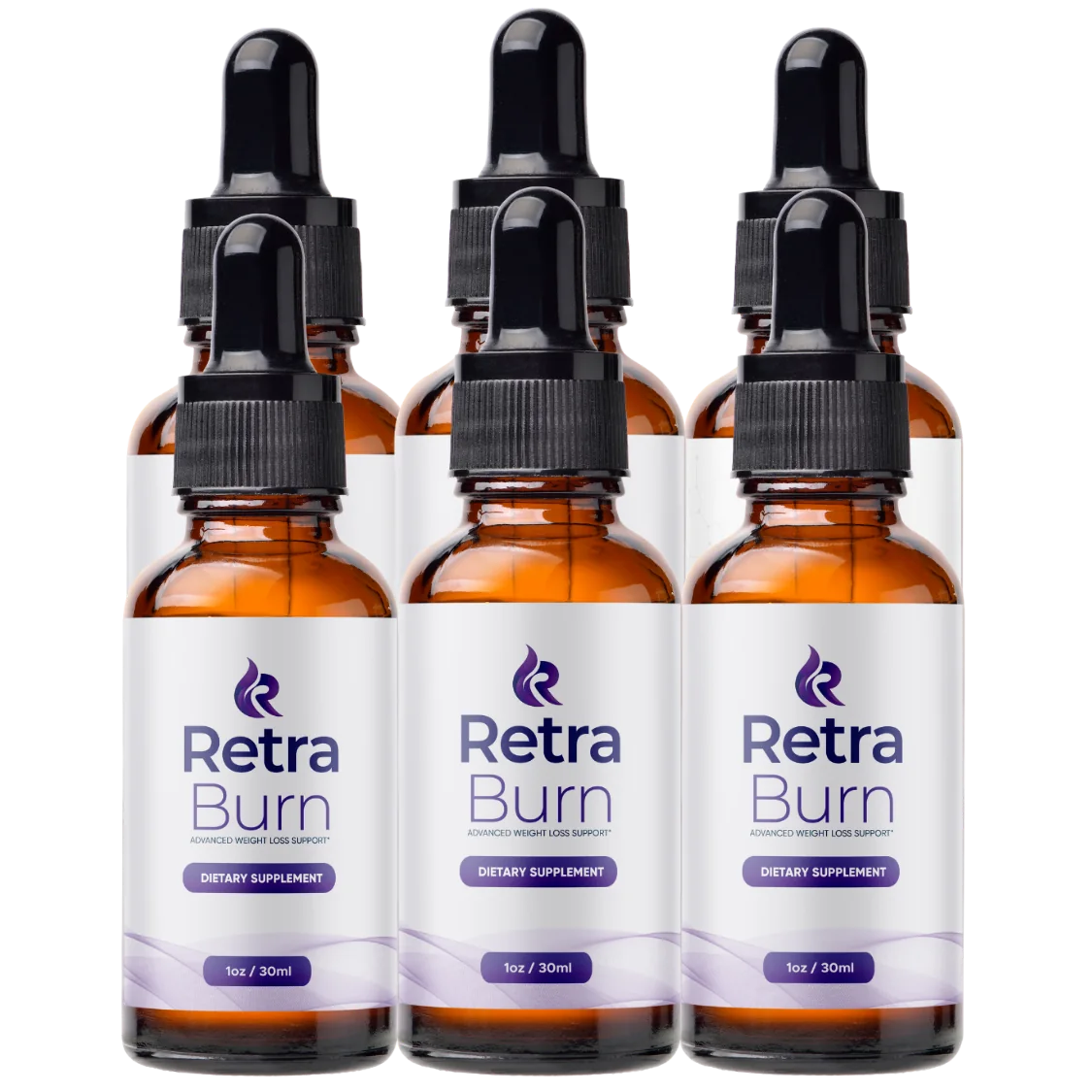
The label sold on this website is scored against all eleven below.
A checklist that is worth nothing unless it can fail the product on the page it appears on, so it does.
The eleven checks
| Check | Why it matters |
|---|---|
| Does the panel print a serving size and a servings count? | Without both, nothing else on the panel can be interpreted. |
| Does every named ingredient carry an amount? | Names are free. Amounts are the product. |
| If there is a blend, is its total printed? | A total is a ceiling, and a ceiling is far better than nothing. |
| Are the blend members listed in order? | The rule requires descending order by weight, which is free information. |
| Are extract ratios stated? | A 20:1 mark describes the material, and its absence leaves you guessing. |
| Is the other-ingredients line published? | It explains taste, texture and shelf life, and sometimes an allergen. |
| Do the amounts reach what the trials used? | The arithmetic that matters most, and the one most labels fail. |
| Has the finished formula been trialled? | Almost none in this category have. Asking anyway is worth it. |
| Is a lot code printed, and can the seller match it? | Traceability, and the difference between a conversation and a shrug. |
| Is a third-party assay published? | Rare in this category, and worth more than any seal. |
| Is the refund window usable, and when does it start? | A window that opens at purchase spends its first days on processing and transit. |
Six panel checks, two evidence checks, two traceability checks and one on the policy. None needs anything but the carton and a search engine.
The order is deliberate. The panel checks come first because they are the ones a buyer can complete standing in front of the product, and because a label failing the first two rarely improves further down. All six of them come out of the federal rule for Supplement Facts panels, which is what decides that a serving size, a blend order and a footnote have to be there at all.
The two evidence checks are harder and they are the ones most labels fail. The Cochrane review of chromium picolinate and a meta-analysis of herbal medicines and body weight are the two summaries worth having open while you do them, and the NCCIH page on weight control is the short version of both.
The traceability checks exist because of the FDA tainted-supplements record and the agency warnings analysed in JAMA Network Open, and the policy check exists because a window nobody can use is not a policy. The FDA questions and answers and the MedlinePlus overview are the plainest background to all four.
The label on this website, scored
| Check | Result | What it is |
|---|---|---|
| Does the panel print a serving size and a servings count? | Pass | 1 ml, thirty servings, both printed. |
| Does every named ingredient carry an amount? | Fail | One of twenty-two does. The rest share a blend total. |
| If there is a blend, is its total printed? | Pass | 15.47 mg, printed on the panel. |
| Are the blend members listed in order? | Pass | Twenty-one names, maca first and L-carnitine last. |
| Are extract ratios stated? | Pass | Fourteen at 20:1, one at 10:1, six unmarked. |
| Is the other-ingredients line published? | Pass | Six names, printed beneath the panel. |
| Do the amounts reach what the trials used? | Fail | No. The blend total is far below every trial dose on record. |
| Has the finished formula been trialled? | Fail | No trial of the finished formula exists. |
| Is a lot code printed, and can the seller match it? | Pass | Lot on every carton, matched to this desk's shipping record. |
| Is a third-party assay published? | Fail | None is published, and none is claimed. |
| Is the refund window usable, and when does it start? | Mixed | 60 days is long and opened bottles count. It starts at purchase, so transit comes out of it. |
Six passes, four failures and one mixed. The failures are the useful half of this table and they are printed in the same size as the passes.
Four failures, and none of them is unusual for this aisle. No per-ingredient amounts, amounts that do not reach the trial doses, no trial of the finished formula and no published assay are the four most common failures in the whole category.
What the label does better than average is the blend total, the extract marks and the ordering. The refund window scores mixed rather than well: sixty days is generous and covering an opened bottle matters, but counting from the checkout means the carrier spends part of it. That is a fair summary and it is the one this desk stands behind.
Four questions to ask a seller, and the answers to expect
What does a serving actually contain?
A good answer quotes the panel. A poor answer describes benefits. A seller who cannot answer this from the label has not read it.
Where does a return go, and when does the window open?
A good answer names an address and a date basis. A vague answer here is the one that costs money later.
Can you match this lot code?
A good answer is yes or no. A seller who has never seen the lot cannot stand behind the bottle, whatever else is true.
Is there a published test of this batch?
Almost always no, in this category. A seller who says yes should be able to send it, and one who says no plainly is being straight with you.
Three ways a good-looking label still misleads
A long ingredient list on a small total
Twenty names sharing fifteen milligrams is twenty names, not twenty ingredients at useful amounts. Count the names, then find the total.
A percentage without its basis
Five hundred percent of a Daily Value sounds enormous and is meaningless without knowing what the Value is and whether an upper limit exists.
A seal doing a job it cannot do
A registered facility is a building on a list. A manufacturing standard is a process. Neither is a test of what is in the bottle in your hand.
All three are legal, common and usually unintentional. They mislead because a shopper reads a carton in about eight seconds, and eight seconds is exactly enough to read a claim and not enough to read a panel.
What a genuinely good label in this category would look like
- An amount against every named ingredient, with no blend at all.
- Extract ratios and, where relevant, the standardised marker compound and its percentage.
- Amounts that reach or approach what the published trials used, even if that means fewer ingredients.
- A published certificate of analysis for the lot on the carton.
- A refund window that covers opened bottles and says plainly which date it counts from.
- A claim on the front that a reader can match to the panel on the back.
Nothing on that list is exotic and nothing on it is expensive to do. The reason it is rare is that a shorter ingredient list at honest amounts photographs worse than a long one, and the front of a carton sells the product.
A buyer who applies the eleven checks above will find very few labels that pass all of them. That is a fact about the aisle rather than about any one product, and it is the most useful thing this guide has to say.
Sources for this checklist
Nine sources. The first is the federal rule that decides what a panel has to print, which is where every panel check comes from.
- Nutrition labeling of dietary supplements. 21 CFR 101.36. Electronic Code of Federal Regulations, Office of the Federal Register. https://www.ecfr.gov/current/title-21/chapter-I/subchapter-B/part-101/subpart-F/section-101.36
- Questions and Answers on Dietary Supplements. U.S. Food and Drug Administration. https://www.fda.gov/food/information-consumers-using-dietary-supplements/questions-and-answers-dietary-supplements
- Weight Control. National Center for Complementary and Integrative Health, National Institutes of Health. https://www.nccih.nih.gov/health/weight-control
- Dietary Supplements. MedlinePlus, National Library of Medicine. https://medlineplus.gov/dietarysupplements.html
- White CM. Continued risk of dietary supplements adulterated with approved and unapproved drugs: assessment of the US Food and Drug Administration's tainted supplements database 2007 through 2021. J Clin Pharmacol. 2022;62(8):928-934. PMID 35285963. https://pubmed.ncbi.nlm.nih.gov/35285963/
- Tucker J, Fischer T, Upjohn L, et al. Unapproved pharmaceutical ingredients included in dietary supplements associated with US Food and Drug Administration warnings. JAMA Netw Open. 2018;1(6):e183337. PMID 30646238. https://pubmed.ncbi.nlm.nih.gov/30646238/
- Tian H, Guo X, Wang X, et al. Chromium picolinate supplementation for overweight or obese adults. Cochrane Database Syst Rev. 2013;2013(11):CD010063. PMID 24293292. https://pubmed.ncbi.nlm.nih.gov/24293292/
- Maunder A, Bessell E, Lauche R, et al. Effectiveness of herbal medicines for weight loss: a systematic review and meta-analysis of randomized controlled trials. Diabetes Obes Metab. 2020;22(6):891-903. PMID 31984610. https://pubmed.ncbi.nlm.nih.gov/31984610/
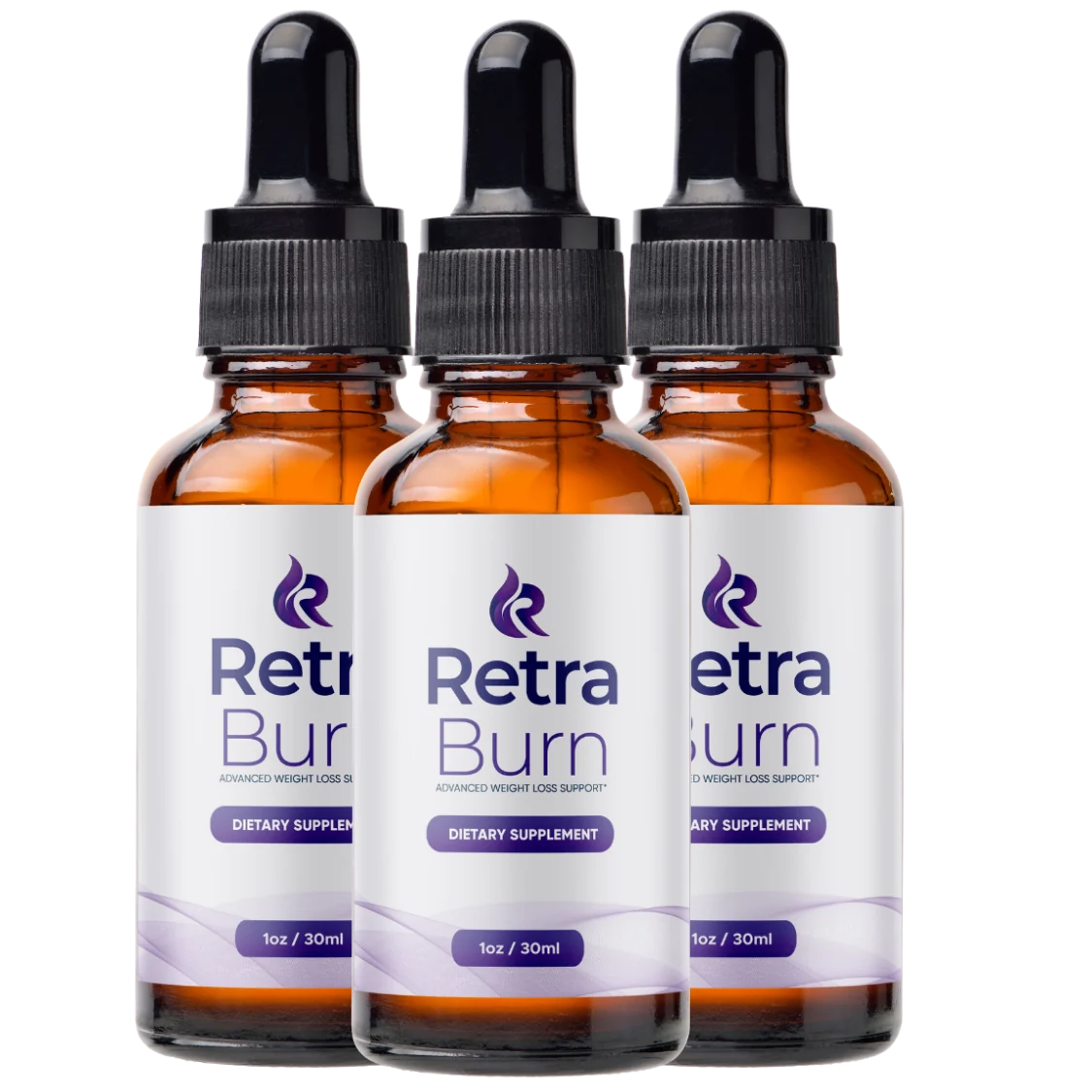
Apply the checklist to RetraBurn yourself
Six passes, four failures and one mixed, all printed above. The panel is reproduced row by row so the arithmetic can be checked rather than taken on trust.
From $49 a bottle on the six-pack, $79 on the two · 60-day money-back guarantee
Order RetraBurn On The Official Website1 ml a day · 30 servings a bottle · lot RET-26/GO-1823