RetraBurn Official Website › Blog › Heat, light and shelf life
StorageHeat, Light And Six Months Of Shelf Life
The storage line on this label names three enemies in order, and the bottle itself is already fighting one of them. The six-bottle pack is where the other two stop being an abstraction.
- The label asks you to keep it away from heat, light and humidity to preserve freshness.
- Amber glass exists to handle the second of those three. It is a design decision rather than a styling one.
- A six-bottle pack means five bottles sitting unopened for up to five months.
- A kitchen windowsill fails on heat and light. A bathroom shelf fails on humidity.
- None of this changes what is in the bottle. All of it changes what is in the bottle five months from now.
The storage line, read carefully
The label prints one instruction about storage and it is short: “Keep away from heat, light, and humidity to preserve freshness.”
Three things named, in an order that is probably not accidental, and one purpose given. Freshness is a vague word in marketing and a fairly specific one here: a water-based preparation of plant concentrates has a chemistry that changes over time, and heat, light and water all accelerate the changing.
It is worth noticing what the line does not say. It does not ask for refrigeration. It does not give a temperature. It does not say what happens if you ignore it. Those are the gaps, and they are ordinary: almost no supplement label in any category is more specific than this one.
| What the label names | What it is asking for | What usually fails it |
|---|---|---|
| Heat | Somewhere that stays near room temperature | Above a hob, beside a radiator, a car glovebox, a conservatory |
| Light | Somewhere dark, or at least not sunlit | A windowsill, an open shelf by a window, a countertop in summer |
| Humidity | Somewhere dry | A bathroom cabinet, a shelf above a kettle, beside a dishwasher |
Three named enemies and three extremely common storage places. Most households fail at least one of these without noticing.
Why the glass is amber
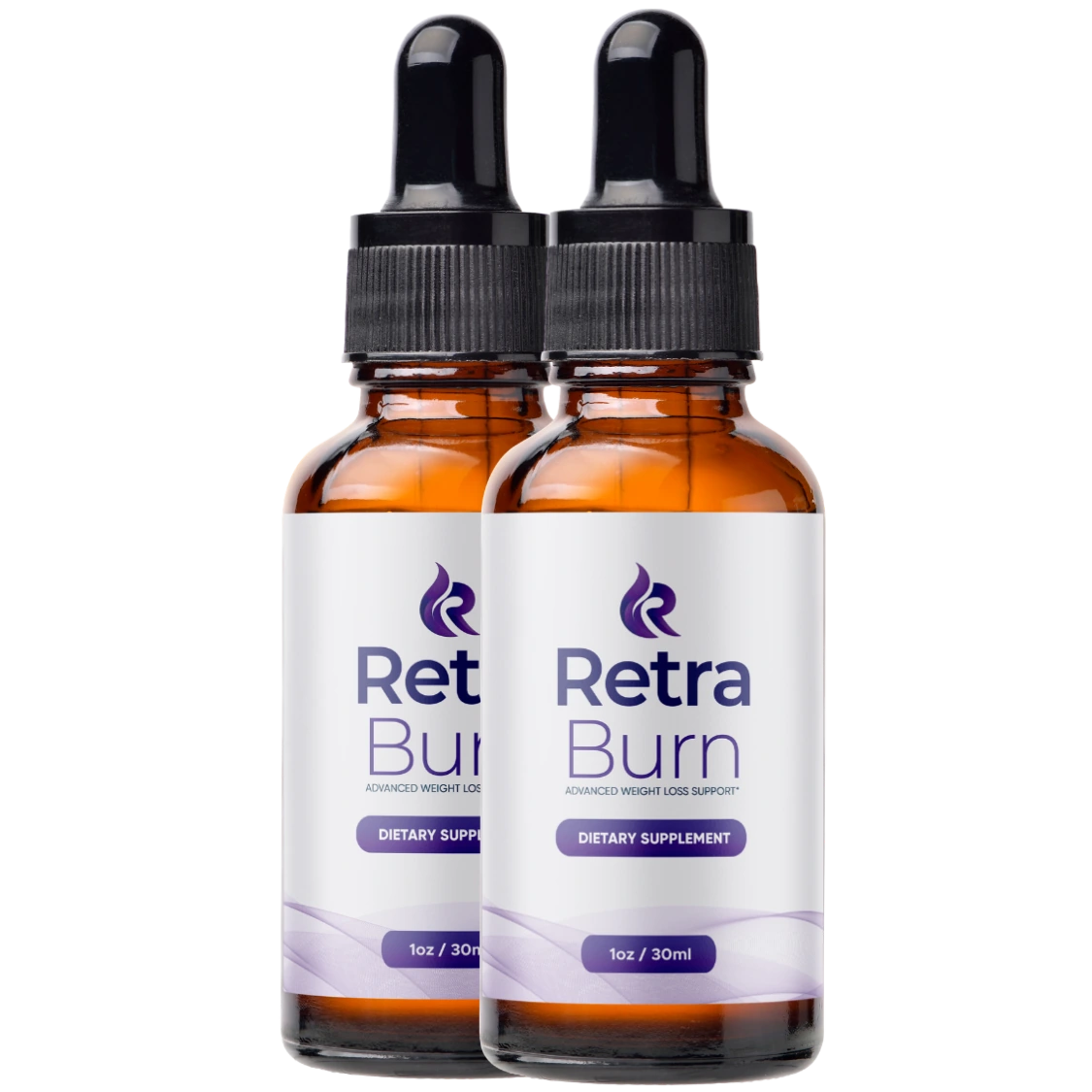
The bottle is amber glass with a black cap, which reads as a styling decision and is not one.
Amber glass filters a substantial part of the visible and near-ultraviolet spectrum. It is the standard container for light-sensitive liquids across pharmacy, brewing and laboratory practice for exactly that reason, and it has been for a very long time.
So of the three enemies named on the label, the manufacturer has already dealt with one on your behalf. That is worth knowing in both directions: the bottle is doing real work, and the other two are entirely yours.
It also means a decanted dose is a poor idea. Liquid moved into a clear container has lost the protection the amber was providing, which is a small point that only matters to the handful of people who were about to do it.
Heat, and why a liquid cares more
A dry capsule is a stable object. There is very little water in it, the ingredients are not in solution, and the reactions that degrade them proceed slowly.
A botanical liquid is the opposite in every respect. Everything is dissolved or suspended in water, which means everything is in contact with everything else, and warmth speeds up essentially every chemical process that follows from that.
This is why the storage line exists on a liquid and why it leads with heat. It is also why the sensible mental model is not the medicine cabinet but the larder: you are storing a preparation, not a tablet.
- Warmth accelerates degradation in solution far more than in a dry solid.
- A closed bottle in a hot car can exceed anything a cupboard will ever reach.
- Repeated warming and cooling is worse than a steady moderate temperature.
- Nothing on this label asks for refrigeration, and a fridge introduces its own humidity problem when the bottle comes out.
- Room temperature, out of the sun, is the whole of the requirement.
Humidity, and the one place everybody stores it
The bathroom cabinet is where supplements go, and it is the worst room in most homes for this particular product.
A shower produces a warm humid atmosphere several times a day. The cap on a dropper bottle is opened and closed daily, which is the moment that atmosphere gets in. Over a month that is thirty small exchanges, and over five months of an unopened bottle sitting in the same cabinet it is thirty small exchanges against a seal that was not designed for it.
The fix costs nothing. A kitchen cupboard away from the hob and the kettle, or a bedroom drawer, satisfies all three requirements at once and is no harder to remember than a bathroom shelf.
The carton says, in capitals, not to use a bottle if the safety seal is damaged or missing. On a six-bottle pack that instruction has to survive five months of storage, which is one more reason the bottles should be somewhere undisturbed rather than somewhere convenient.
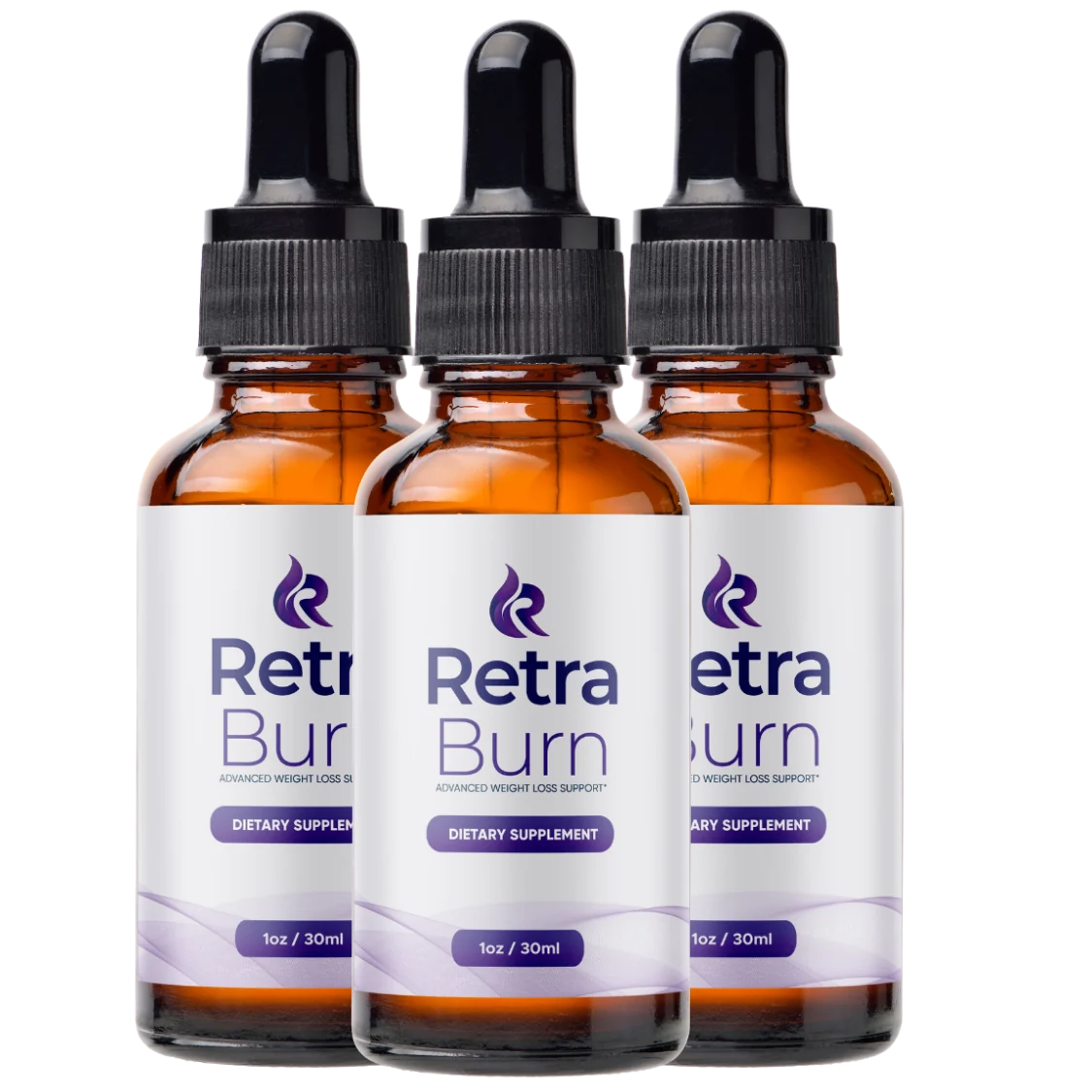
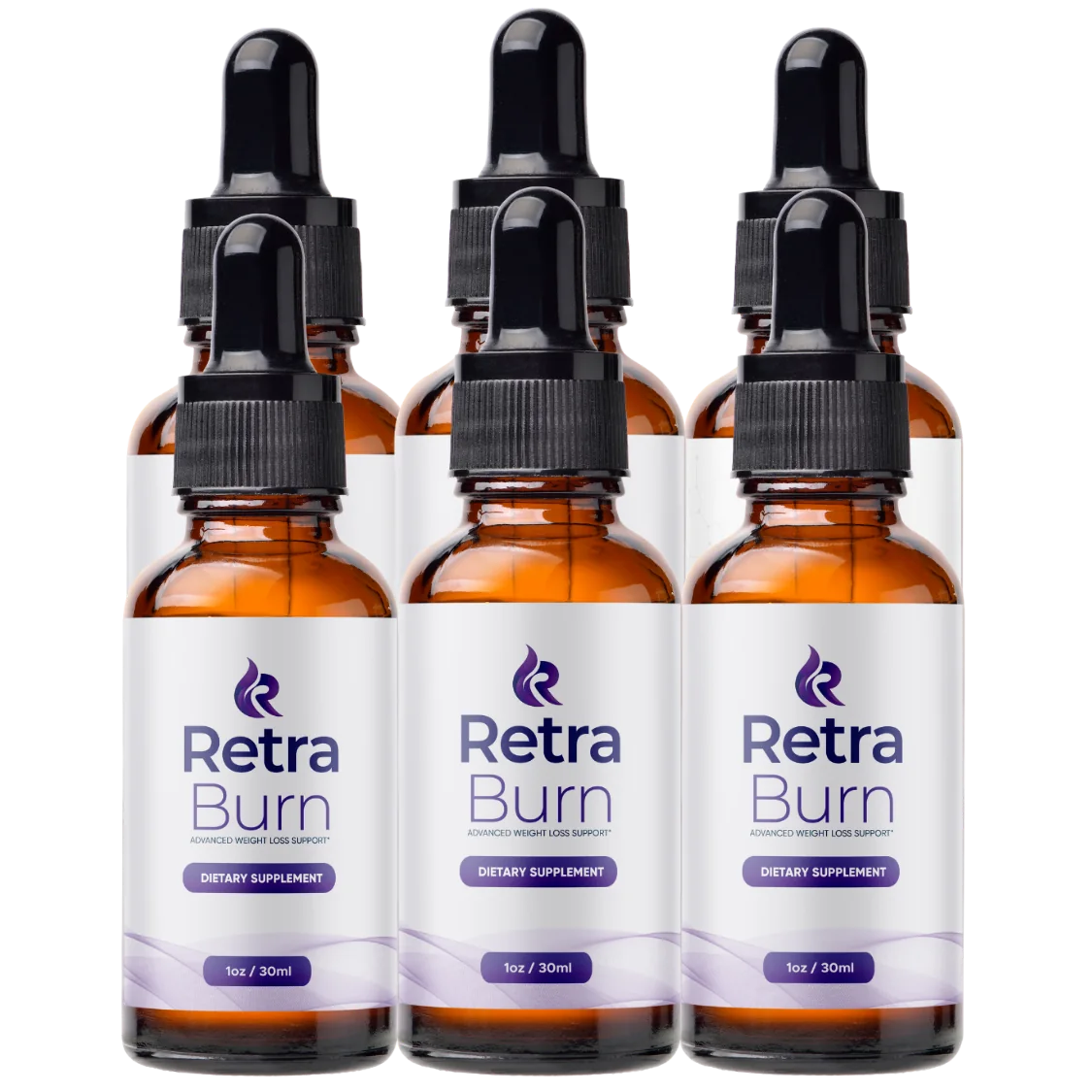
Six bottles of RetraBurn is six months of storage
The lowest price a bottle on the ladder, and five bottles that will be sitting in a cupboard when the first one is finished.
$79 a bottle on the two-pack, $49 on the six · 60-day money-back guarantee
Order RetraBurn On The Official Website1 ml a day · 30 servings a bottle · lot RET-26/GO-1823
What a six-bottle pack actually asks of you
This is the part a price page does not mention, and it is a real consideration rather than a manufactured one.
Six bottles at one a month is a hundred and eighty days of supply. The sixth bottle will be opened roughly five months after it arrives. For that whole period it is an unopened, sealed, water-based botanical preparation sitting wherever you put it.
Stored properly that is entirely ordinary. Stored on a sunny windowsill it is five months of exactly what the label asks you to avoid, and the bottle you open last will not be the bottle you opened first.
None of which is an argument against the six-bottle pack. It is an argument for deciding where it goes before it arrives, which takes about ten seconds and is the only preparation this product requires.
| Pack | Days of supply | How long the last bottle waits | What that needs |
|---|---|---|---|
| 2 bottles | 60 | About a month | Any sensible cupboard |
| 3 bottles | 90 | About two months | Any sensible cupboard |
| 6 bottles | 180 | About five months | A deliberate choice of somewhere cool, dark and dry |
The storage requirement is identical for all three. What changes with pack size is how long it has to hold.
Where to keep it, specifically
Vague advice is useless here, so here is the specific version.
- A kitchen cupboard that is not above the hob, the kettle, the toaster or the dishwasher. Those four appliances are why one cupboard in most kitchens is warmer and damper than the rest.
- A bedroom drawer or a wardrobe shelf, which is dark, dry and stable, and is the best option in most homes.
- A hallway cupboard, provided it does not house a boiler or a hot water cylinder.
- Not a bathroom, not a windowsill, not a car, not a conservatory, not the top of a fridge, which is warmer than the rest of the kitchen.
- Keep the cartons. They carry the lot code and the best-before, and a carton is also a second layer against light.
One additional point for a multi-bottle pack: open them in order and keep the rest boxed. There is no benefit to having six bottles out, and there is a small cost in five extra caps being exposed to the room.
What a best-before date is doing
Printed beside the lot code on every carton, and widely misread as an expiry date. It is not the same thing.
A best-before is the manufacturer's statement about how long the product holds the properties it was made with, under the storage conditions the label specifies. Past it, a supplement is not dangerous. It is simply no longer guaranteed to be what the panel describes, which for a botanical preparation mostly means the actives have had longer to degrade.
The conditional half of that sentence is the important one. The date assumes the storage line was followed. A bottle kept in a hot conservatory for five months has not had five months of the storage the date was calculated against, and the date does not know that.
So the two printed codes on the carton do different jobs and both are worth reading. The lot code tells a seller which run it came from. The best-before tells you how long the maker expects it to hold, provided you have done your part.
| Printed on the carton | What it is | What it depends on |
|---|---|---|
| Lot code | A traceability reference for one production run | Nothing. It is fixed at manufacture. |
| Best-before date | How long the maker expects the product to hold | The storage conditions the label asks for. |
| Safety seal | Evidence the bottle has not been opened | Being left alone until the bottle is used. |
Three things on one carton, and only the middle one changes meaning depending on what the buyer does after delivery.
Storage against the guarantee window
There is one interaction between storage and the 60-day window that is worth making explicit.
The window runs 60 days from the day you buy it, and it covers opened bottles. It does not extend because a pack is large. So on a six-bottle pack, four of the six months of supply sit outside the window entirely, and the decision about whether to keep the product has to be made while four sealed bottles are still in the cupboard.
That is the honest arithmetic of the cheapest bottle on the ladder, and it is set out in full on the pricing page and the guarantee page rather than being left for a buyer to discover.
None of this is exotic advice. NCCIH guidance on using supplements wisely, the MedlinePlus overview and the FDA questions and answers all make the same general point about storing and using supplements sensibly, and the labelling rule is what requires the storage line to be there at all. Reading a storage instruction and then acting on it is the cheapest thing a buyer in this category ever does.
RetraBurn is a dietary supplement. It is not a treatment for obesity or for any other condition, nothing on this page is medical advice, and anyone taking a prescription or living with a diagnosed condition should raise it with a clinician before starting anything new.
References
- Nutrition labeling of dietary supplements. 21 CFR 101.36. Electronic Code of Federal Regulations, Office of the Federal Register. https://www.ecfr.gov/current/title-21/chapter-I/subchapter-B/part-101/subpart-F/section-101.36
- Using Dietary Supplements Wisely. National Center for Complementary and Integrative Health, National Institutes of Health. https://www.nccih.nih.gov/health/using-dietary-supplements-wisely
- Dietary Supplements. MedlinePlus, National Library of Medicine. https://medlineplus.gov/dietarysupplements.html
- Questions and Answers on Dietary Supplements. U.S. Food and Drug Administration. https://www.fda.gov/food/information-consumers-using-dietary-supplements/questions-and-answers-dietary-supplements